
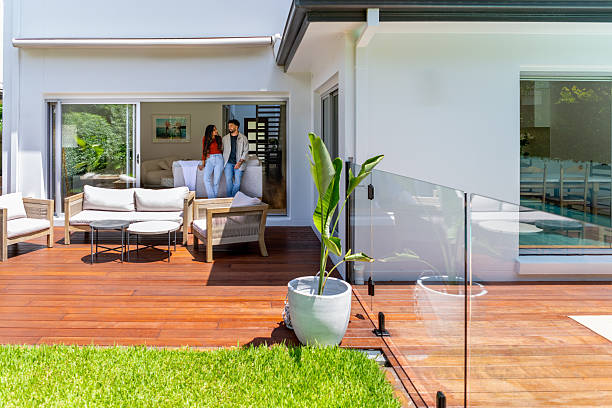

The Project That Lives Outdoors and Lasts 20 Years
A well-built deck is one of the most-used and most-valued outdoor home improvements — it extends living space outdoors, creates the outdoor dining and relaxing area that improves daily life, and adds verifiable value to the home. A poorly planned or poorly built deck is a safety hazard, a source of ongoing maintenance problems, and a liability in some cases.
The planning stage of a deck project — before any lumber is purchased or any ground is broken — determines most of the project’s outcome. Planning mistakes are inexpensive to fix on paper; they’re expensive to fix once lumber is cut and fastened.
Permits: The Non-Negotiable First Step
Decks above a certain height (typically 30 inches from grade in most jurisdictions) require building permits. Permits require permit drawings that show the deck dimensions, structural members, footing specifications, and attachment methods. The permit process ensures the deck meets the structural requirements of the local building code — which exist because improperly built decks collapse, and deck collapses injure people.
An unpermitted deck creates problems at sale: home inspectors identify visible unpermitted additions and buyers’ lenders require resolution (retroactive permitting or removal) before closing. The cost of retroactive permitting — which requires opening construction to expose structural members for inspection — typically far exceeds the original permit cost. Do the permit first.
Footing Design: What’s Below Grade Determines What’s Above
Deck footings — the below-grade concrete elements that support the posts and distribute the deck’s load to stable soil — are the most consequential structural element and the most frequently under-specified in DIY deck builds. Footings must extend below the frost line (the depth at which ground freezes in winter — in cold climates this can be 36–48 inches or more) to prevent frost heave from lifting the footing and destabilizing the deck above.
Your local building department specifies the required frost depth for your area. Footings above the frost line will heave over winter freeze-thaw cycles, creating deck movement and joint stress that leads to structural problems over time. This is the most common structural failure cause in DIY decks in cold climates.
Ledger Attachment: The Connection That Must Be Right
The ledger board — the horizontal lumber attached to the house that one end of the deck joists bears on — is the most critical structural connection in an attached deck. Improper ledger attachment is the most common cause of deck failures: the deck separates from the house and collapses, often with people on it.
The ledger must be attached to the structural framing of the house (rim joists and floor framing), not to the exterior sheathing or siding. The attachment hardware — structural screws or through-bolts at specified spacing — must be as specified by the local code. The area behind the ledger must be waterproofed (flashing that directs water away from the house framing) to prevent the moisture damage to house framing that a non-flashed ledger connection reliably causes.
Decking Material Selection: Appearance, Maintenance, and Longevity
Pressure-treated wood is the most affordable decking material and requires the most maintenance: sealing or staining every 1–3 years to maintain appearance and prevent cracking and graying. Cedar and redwood are naturally rot-resistant, require less maintenance than PT, and are more expensive. Tropical hardwoods (ipe, cumaru, garapa) are extremely dense and durable, require virtually no structural maintenance, and require special tools and fasteners for installation.
Composite decking (manufactured from wood fiber and plastic) requires minimal maintenance — periodic cleaning, no sealing or staining — and is available in a wide range of appearances. Quality composite products carry 25–30 year fade and stain warranties. The upfront cost is higher than wood; the total lifecycle cost including maintenance is typically lower over 20 years. For homeowners who want a deck that looks good with minimal annual intervention, composite is the most practical choice.